WAIKATO BUSINESS PULSE: UPDATES FROM YOUR MPS
Stay in the know with Waikato Business Pulse, a monthly communications piece featuring insights from one or more Waikato MPs. This platform, from time to time, will also give you a chance to share your thoughts through surveys and polls, ensuring your voice is heard on issues that matter to our business community.
Keep connected, stay informed, and make your impact!
July 2026
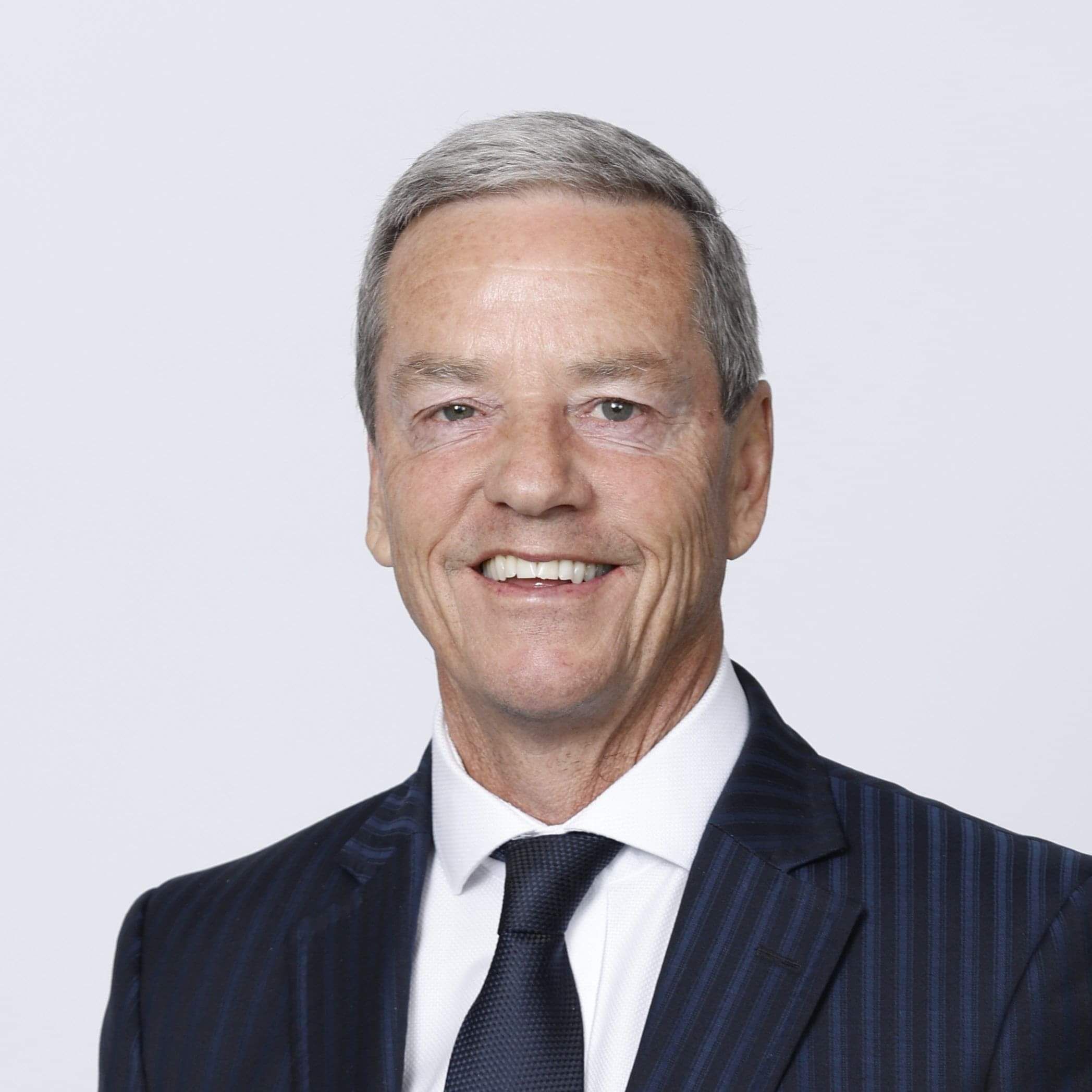
Hon. Andrew Bayly
MP for Port Waikato
Farewell to the Waikato
As some of you will know, I will be standing down as the Member of Parliament for Port Waikato at the upcoming election.
Representing the people of this electorate has been one of the greatest honours of my life, and stepping away is something I considered carefully over several months in consultation with my family, but as my wife and I intend to move to the South Island later this year, the decision in the end was a pragmatic one.
Before I go, I want to speak directly to those who have been at the heart of my work: our business owners, manufacturers, growers and innovators across Waikato. I have seen first-hand your grit, ingenuity and resilience – attributes that define this region’s economy. It has been a privilege to represent you.
When I first entered Parliament, my focus was clear: to ensure that the voice of business – especially small and medium enterprises – was heard. I saw that too often, policy was developed in Wellington without enough regard to the realities faced on factory floors, in workshops and across supply chains. My role was to challenge that and advocate for an environment where businesses could flourish.
During the early years as an MP and later as Opposition Spokesperson for Small Business, I spent a great deal of time with manufacturers across Waikato. Visiting food processors expanding their export lines, engineering firms investing in precision equipment, and timber processors adapting to changing markets left a lasting impression on me.
I recall standing on the floor of a dairy processing facility, watching how improvements in automation had lifted output and reduced waste. In another visit to a specialist fabrication business, I saw how adopting advanced machinery had allowed a small firm to compete internationally.
These were not abstract policy discussions, but real examples of Kiwi ingenuity at work.
Transitioning into Government and becoming the Minister for Small Business and Manufacturing – New Zealand’s first Minister of Manufacturing – gave me the opportunity to turn those conversations into action. One of my priorities was to lift the profile of manufacturing as a cornerstone of our economic future. It is a sector that underpins productivity, supports exports and anchors regional employment, yet for too long has not received the attention it deserves.
We worked to better support manufacturers through improved access to capability programmes, a stronger emphasis on innovation, and more practical engagement with industry. For many Waikato businesses, this meant greater support to modernise operations, whether through upgrading machinery, improving processes, or adopting digital tools.
One of the ideas I long advocated for, and was pleased to see delivered in Budget 2025, was Investment Boost – a targeted incentive to lift business investment and productivity. It allows firms to immediately deduct 20 per cent of the cost of new assets, alongside normal depreciation, improving cashflow at the point where investment decisions are made.
The concept was simple: if we want higher wages and stronger growth, we must make it easier for businesses to invest in the tools, machinery and technology that drive productivity.
In December 2025, Inland Revenue surveyed its business customers to gain an early indication of how firms are responding to Investment Boost. The results, released in March this year, suggested that it was early days regarding awareness and uptake, and that it will take time for the full effects of Investment Boost to flow through to economic activity.
Looking ahead, one of the biggest transformations facing manufacturing is the continued rise of artificial intelligence and automation. AI is not something for the future – it is already changing how businesses operate today. From automating routine administrative tasks to optimising production schedules and improving quality control, the potential gains in productivity are significant.
Many Waikato businesses are already beginning this journey. Some are using AI-driven systems to manage inventory more effectively. Others are exploring predictive maintenance to reduce downtime in their operations. But there is a considerable opportunity to go further, particularly for smaller firms that may not yet have the capability or confidence to adopt these tools.
We need to encourage and support businesses to embrace AI, not be intimidated by it. That means providing accessible guidance, sharing practical examples, and ensuring that training pathways equip people with the skills needed to use these technologies effectively.
AI does not mean less jobs. It means working smarter. In many cases, the biggest gains will come from automating everyday procedures, such as reducing manual processes, improving accuracy and freeing up time for higher-value work. For a small manufacturer, even modest improvements in efficiency can make a meaningful difference to the bottom line.
Of course, while progress has been made, there is still much to be done. Productivity remains a challenge and lifting it will require sustained effort – through technology adoption, infrastructure investment and smarter regulation. Despite some progress, many businesses still find the regulatory environment complex and time-consuming. That must continue to be addressed with a focus on simplicity and practicality.
Workforce shortages also remain a constraint. Time and again, Waikato businesses have told me that growth is being held back by the inability to find skilled staff. Strengthening vocational training, improving school-to-work pathways, and ensuring immigration settings are responsive to genuine shortages will all be critical.
Finally, we must continue to back our regions. Waikato and Franklin are central to New Zealand’s economic success, and future growth will depend on investment in transport links, digital connectivity, and the infrastructure that supports both manufacturing and distribution.
I want to acknowledge Don Good and the work of the Waikato Chamber of Commerce, who consistently champion policies that back investment and growth in our region.
As I leave politics, I do so with deep respect for those who take risks, invest in their businesses, and create opportunities for others. The visits I made – to factory floors, processing plants and engineering workshops – will stay with me. They are a reminder that economic policy is not an abstract exercise; it is about enabling real people to succeed.
Thank you for the opportunity to represent you. I am confident that Waikato’s business and manufacturing community will continue to lead, adapt and thrive – and I strongly encourage you to embrace the tools, including AI, that will shape the next chapter of that success.
Hon Andrew Bayly is the MP for Port Waikato. He can be contacted at andrew@baylymp.co.nz or follow him on Facebook @AndrewBaylyMP
June 2026
Hon. Louise Upston
MP for Taupo
Leader of the House
Minister for:
Social Development and Employment
Tourism and Hospitality
Community and Voluntary Sector
Disability Issues
Child Poverty Reduction
Fixing the Basics, Building the Future
Going for Growth
Economic growth is essential to raising New Zealand’s standard or living, generating higher-paying jobs, and providing vital infrastructure and public services.
Our Going for Growth strategy includes:
Developing talent
Creating competitive business settings
Promoting global trade and investment
Supporting innovation, technology and science
Delivering infrastructure for growth.
Budget 2026
Budget 2026 was described by Minister of Finance Nicola Willis as a ‘responsible’ Budget. The key priorities are:
Growing the economy to create jobs and lift wages
Keeping taxes low by restoring fiscal discipline so we avoid further borrowing or tax increases
Cracking down on crime to keep our communities safe
Improving outcomes in education and health.
Despite global volatility and the fuel crisis, the Budget forecasts the economy to grow by an average of 2.7 per cent over the next four years, with 220,000 more jobs and unemployment falling from 5.5 to 4.3 per cent, and wages continuing to rise faster than inflation.
The Government’s books are forecast to return to surplus in 2028/29, a year earlier than previously forecast, with debt as a share of the economy beginning to fall sooner.
By stopping wasteful spending, finding savings and making careful choices, we are getting the books in order and keeping taxes low while continuing to invest in frontline services and infrastructure which matter most to New Zealanders: hospitals, schools, defence and infrastructure.
Cambridge to Piarere Expressway Extension
Budget funding for the Waikato Expressway extension from Cambridge to Piarere has been secured! I have been pushing for this since it was cancelled by the Labour-NZ First coalition government in 2017.
This stretch of SH1 has claimed multiple lives, creates bottlenecks, and its surface is not up to state highway standard. More than half of New Zealanders live in the ‘golden triangle’ (Waikato-Auckland-Tauranga) and 60 per cent of the country’s GDP is generated here, so it is essential this major arterial route is fit for purpose.
This is the only Road of National Significance to be funded ($1.773 billion) this Budget. It is consented, land has been purchased, and some preparatory work has been completed.
This project has a benefit-cost ratio of 2.7 to 3.1. It will provide a huge boost for our local construction crews and support teams. The Infrastructure Commission estimates that every billion dollars of infrastructure investment supports about 4500 jobs.
As part of the Budget infrastructure package, Government will also be investing $1.075 billion in renewing, upgrading, and maintaining the KiwiRail network over the next five years.
Growing Trade, Growing the Economy
National’s plan to boost exports and grow trade and secure partnerships is working. Goods exports rose by $943 million (12 percent), to $8.6 billion in April 2026 (compared to April 2025).
The monthly trade balance was a surplus of $1.9 billion, up from $1.2 billion a year earlier, and the largest trade surplus in at least two decades.
That growth means businesses are selling more, hiring more people, and paying higher wages. It means more work on farms and orchards, more shifts in factories, more freight through our ports, and more confidence for local businesses to invest and grow.
Tourism Exports Up
Tourism is our second-largest export earner. Despite the fuel crisis, international travel figures released by Stats NZ in May show 358,900 international visitors arrived in March 2026, up 15.1 per cent on the same time last year, approaching 2019 visitor numbers.
Annual figures show we welcomed 3.63 million international visitors in the year ending March 2026, up 9.2 per cent percent on the previous year.
That’s more people staying in our hotels, eating at cafes, booking tours and shopping in our towns and cities – supporting jobs and growing businesses and the wider economy.
Australia remains our biggest source of visitors, with 138,360 people arriving in March, up 21 per cent on the same time last year.
There was also 8.3 per cent visitor growth from the United States (53,390 visitors) and 20 per cent more visitors from China (24,620 visitors).
Trade Training Opportunities
Trades Academies, a partnership between schools, tertiary institutions and employers, provide students with the opportunity to learn construction, mechanical, electrical, agricultural and other job-related skills while still at school, increasing young people’s participation in apprenticeships and improving educational and employment outcomes.
The number of Trades Academy places will double from 10,000 to 20,000 over the next four years, funded by savings from the cancellation of final-year Fees Free. Some of the savings are also being used to support 1000 more school leavers with no, or low, qualifications into free study and work-relevant learning at polytechnics and tertiary providers through Youth Guarantee places.
Funding for additional Youth Guarantee places will start from next month. New funding for Trades Academy places will begin in 2027.
Incentivising Work and Independence
New Zealand’s welfare system needs to be fair, firm and simple. We’re incentivising Kiwis into work to gain greater independence, while supporting those in greatest need.
The Budget 2026 Social Development and Employment package includes $93.3 million to help 25,000 sole parents access more assistance to find work, providing opportunities for income and career growth.
As Minister for Social Development and Employment, I encourage businesses to make use of Work and Income’s free recruitment service and access potential wage subsidies.
Fuel Crisis
Amongst other measures, Government has budgeted $150 million to establish fuel security arrangements, including the Z Energy deal to increase diesel stocks.
Energy
Since the former Government’s decision to ban oil and gas exploration, supplies have been dwindling and prices rising. We’ve reversed the ban, and we are progressing a procurement process for imported LNG.
Meanwhile, Government will provide eligible businesses with loans via the Gas Transition Loan Guarantee Scheme to help them transition from gas to alternative energy supplies (like electricity or bioenergy) and invest in energy efficiency. See more details here.
We’re also fast-tracking resource consents to get renewable projects built and existing infrastructure upgraded.
Local Government Reform
Government is simplifying local government including removing regional councils to cut duplication, improve accountability, and deliver more efficient services. A new planning system (to replace the RMA) will pass into law this year.
Councils have three months to present proposals to fast-track local government reform in their regions. Cabinet will decide later this year which proposals to endorse. They will be signed in 2027, with changes implemented before the 2028 local government elections.
Fixing the Basics and Building the Future
Our Government is building a future that insulates us from things like natural disaster shocks and creates an environment where businesses can generate income for the economy, bringing us more choice and a better lifestyle.
You can read about more Budget 2026 in more detail here.
Authorised Louise Upston , MP for Taupō
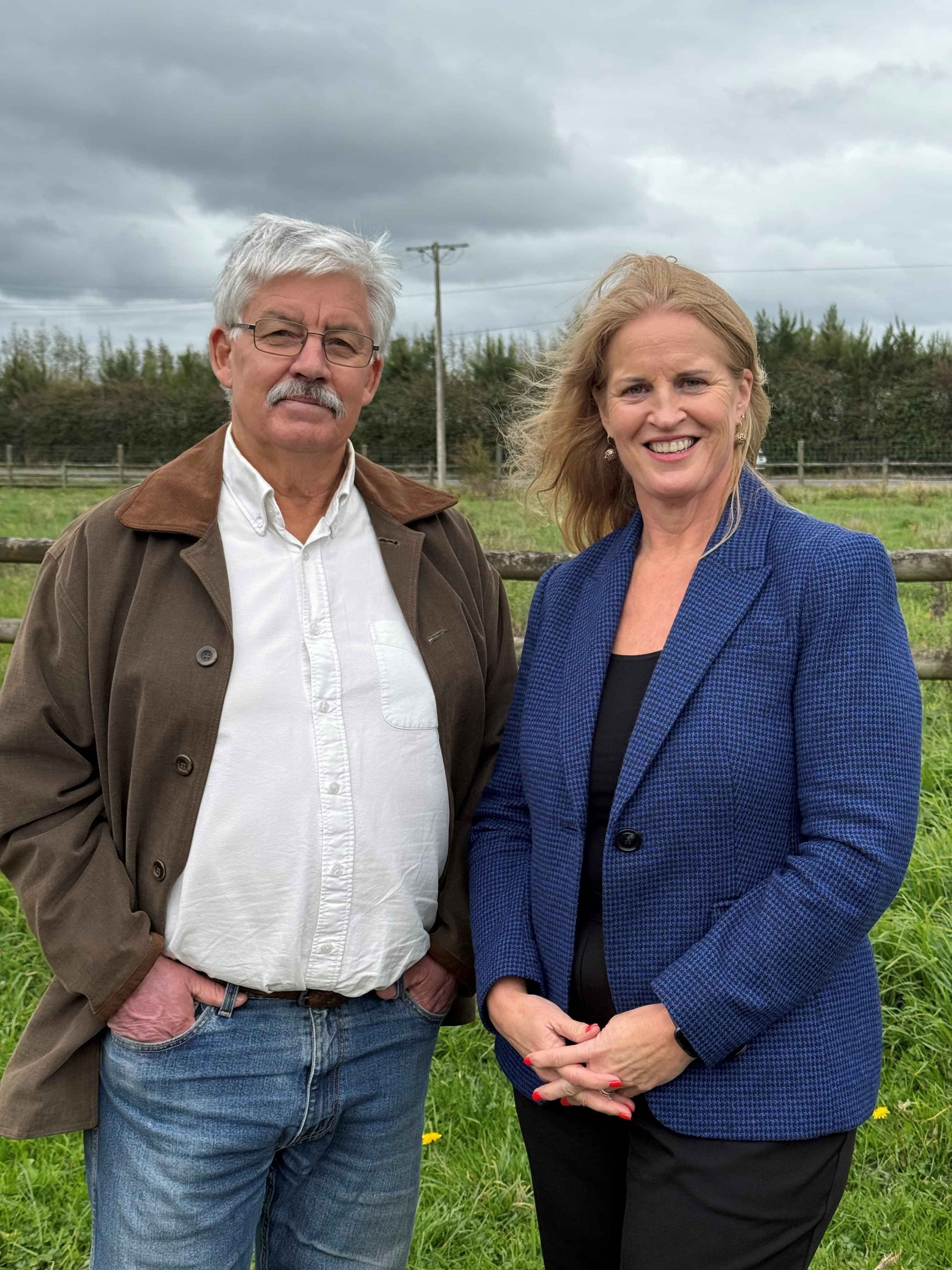
Minster Upston and Don Good at the Cambridge to Piarere media announcement on 31 May 2026.
May 2026
MP Tama Potaka
MP for Hamilton West
Waikato has always understood the relationship between land, people, enterprise, and growth. It is a region shaped by its awa, its whenua, and the strength of its communities, and it has long played a central role in New Zealand’s economic story.
This is a region that produces, that moves, and that builds. From the farms and horticulture blocks to manufacturers, exporters, logistics hubs, small businesses, and Iwi enterprises, Waikato continues to carry significant weight in supporting national prosperity. That is why the future of Waikato matters not just locally, but across the country.
What we are seeing now is a region stepping forward with confidence, backed by a Government focused on fixing the basics and enabling growth.
Across Waikato, there is a clear pattern emerging. Investment is being made, infrastructure is being strengthened, and development is underway in a way that reflects both ambition and practical delivery. These are not isolated efforts. They are connected pieces of a wider story about growth, resilience, and long-term opportunity, supported by deliberate Government action.
Housing is a central part of that story, and it is an area where the Government is actively working to increase supply and remove barriers to development. Developments like Te Awa Lakes at Horotiu show what can be achieved when the right settings are in place. This project is expected to deliver around 2500 homes over time, with the first homes already completed and further stages progressing.
This matters because housing is not just a social issue. It is an economic one. Businesses rely on workers being able to live near where they work. Communities rely on people being able to put down roots. Regions rely on having enough supply to support population growth without placing pressure on affordability.
The Government’s role is to support that supply by unlocking land, investing in infrastructure, and creating a more efficient system. That includes funding initiatives that address infrastructure constraints, supporting partnerships between developers and community housing providers, and backing models that help more New Zealanders into homes.
Infrastructure is the other side of that equation, and it is an area where the Government is making targeted investments to support regional growth.
At Mystery Creek, a $1.35 million Regional Infrastructure Fund loan is upgrading ageing water infrastructure. This is a practical investment that supports one of the region’s most important economic and community assets. The site hosts Fieldays, which attracts more than 100,000 visitors and contributes hundreds of millions of dollars in economic activity, including significant spend in Waikato.
Ensuring that infrastructure like this is reliable and fit for purpose is essential. It supports events, strengthens the visitor economy, and ensures the region can continue to operate effectively under pressure. These are the kinds of investments that underpin growth.
The same approach is being taken with Hamilton Airport. A $6.5 million Regional Infrastructure Fund loan is supporting the runway extension, improving the region’s connectivity and resilience. Waikato’s manufacturers, exporters, and primary sector businesses depend on efficient transport links. Strengthening those links is a practical step to support economic growth and ensure the region can continue to move people and goods effectively.
The Government is also focused on building the productive capacity of the region. The fast-tracked approval of the National Green Steel project at Hampton Downs is an example of this. It is expected to process around 200,000 tonnes of recycled steel each year and create around 200 skilled jobs. This supports domestic manufacturing, reduces reliance on imports, and strengthens supply chains for infrastructure development.
At the same time, the Government is backing productivity at the business level. The expansion of the Digital Manufacturing Light programme into Waikato is helping small and medium-sized manufacturers adopt digital tools, improve efficiency, and build long-term capability. This is about ensuring businesses can remain competitive, grow sustainably, and continue to provide jobs in the region.
These actions reflect a clear direction. The Government is focused on removing bottlenecks, enabling investment, and supporting the conditions for growth.
Waikato is well positioned to take advantage of that. It has land available for development, a strategic location within the upper North Island, strong transport connections, and a diverse economic base. It also has strong Iwi leadership, which plays a critical role in shaping development, supporting community outcomes, and contributing to the regional economy.
However, potential alone is not enough. It must be supported by infrastructure, by housing supply, by skills, and by systems that allow projects to move at pace. That is why the Government is focused on improving planning frameworks, supporting infrastructure delivery, and ensuring that good projects can proceed without unnecessary delay.
There is also a clear link between economic growth and community wellbeing. When businesses expand, jobs are created. When infrastructure improves, regions become more connected. When housing supply increases, families gain stability. These outcomes reinforce each other, and together they build stronger communities.
Waikato has always been a region that connects people and opportunity. The task now is to ensure that this connection continues to strengthen as the region grows.
For the business community, this presents both an opportunity and a responsibility. The Government can invest, enable, and set direction, but it is businesses that turn opportunity into reality. It is businesses that hire, train, innovate, and expand. It is businesses that back their regions over the long term.
The future of Waikato will be shaped by those decisions. It will be shaped by the willingness to invest, to collaborate, and to take a long-term view of growth.
The current trajectory is positive. Homes are being built. Infrastructure is being upgraded. Industry is being supported. The region is growing with purpose and direction, supported by a Government committed to practical delivery.
Waikato has already made a significant contribution to New Zealand’s success. With continued focus, strong partnerships, and the right investments, it will remain one of the regions that drives the country forward.
Authorised Tama Potaka , MP for Hamilton West.